

The Black Hills of South Dakota are more than Mount Rushmore — though yes, you should go. Tucked into the southwestern corner of the state, this ancient mountain range packs an almost unreasonable amount of scenery, history, and wildlife into a relatively compact area. Granite spires. Prairie bison. Underground cave systems that stretch for hundreds of miles. Roads engineered to take your breath away.
But with so much to see and mountain weather that keeps its own schedule, a little planning goes a long way. Here’s the honest guide — the one locals wish more visitors had before they arrived.
When Should You Come?
June through September is peak season, and for good reason — trails are fully open, the weather is mostly cooperative, and every attraction is running at full capacity. But there’s real nuance depending on what kind of trip you’re after.
- Late May to mid-June: Wildflowers are blooming across the hillsides, crowds are noticeably lighter, and lodging prices are significantly lower. Some high-elevation trails may still have lingering snow — check conditions with the Forest Service before heading out on anything remote.
- July & August: The peak of peak season. Expect lines at Mount Rushmore, fully booked campgrounds, and premium pricing across the board. That said, there’s a reason people come — the weather is spectacular and every door is open.
- September: Quietly, many seasoned travelers’ favorite month. Crowds thin dramatically after Labor Day, temperatures settle into the comfortable 60s and 70s, and the ponderosa pines take on a warm golden quality. One of the best-kept secrets in Black Hills travel.
- October through April: Best for solitude seekers and travelers on a budget. Some roads and seasonal facilities close — though Wildlife Loop Road in Custer State Park stays open year-round. Winter hiking and snowshoeing through the pines are genuinely magical if you come prepared.
The first or second week of August brings the Sturgis Motorcycle Rally — hundreds of thousands of riders, fully booked hotels for 50+ miles, and prices to match. If that’s not your scene, avoid this window entirely.
Where Should You Stay?
Location matters more than most travelers realize. The Black Hills span roughly 50 miles north to south, so your base camp determines what feels easy versus what eats your whole day in driving. Here’s the honest breakdown:
Hot Springs — Relaxed and Underrated
Sitting at the southern gateway to the Hills, Hot Springs is one of the most overlooked bases in the region — and one of the most charming. The town itself is worth exploring, with its distinctive warm-toned sandstone architecture and the famous Evans Plunge, a natural warm spring pool that’s been drawing visitors for over a century. It’s also the home of the Mammoth Site, one of the most significant paleontological finds in the country. Wind Cave National Park is just a short drive north. If you’re looking for a quieter, less commercial base with genuine character, Hot Springs deserves serious consideration.
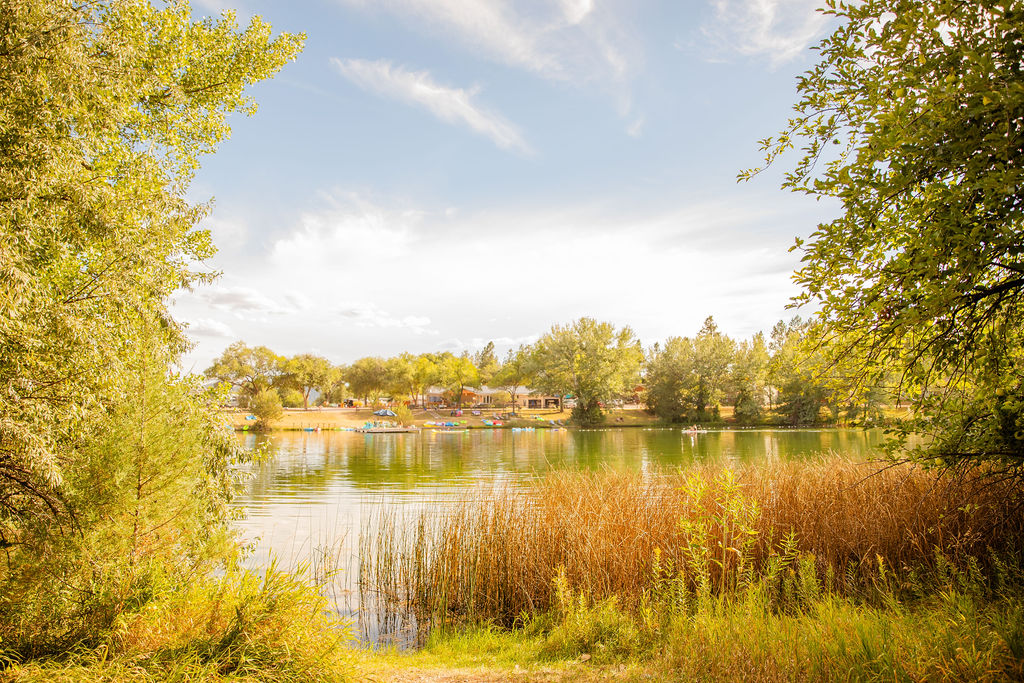
For families and groups looking to camp or stay near the heart of the southern Hills, Hidden Lake Campground and Resort is a standout option in the area. Nestled in a natural setting just outside Hot Springs, it offers a genuine escape from the crowded main-drag accommodations — with the Mammoth Site, Wind Cave, and Custer State Park all within easy reach. It’s the kind of place where the trip itself becomes the memory, not just the attractions you drove to.

Hill City — The Sweet Spot
The most recommended base for most visitors. Sitting near the geographic center of the Hills, Hill City puts you within 30 minutes of Mount Rushmore, Custer State Park, Crazy Horse Memorial, and Jewel Cave. The town has legitimate restaurants, local breweries, and an artsy, laid-back character — without the tourist-strip feel of Keystone. If you’re only picking one place to stay, make it here.
Keystone — Convenient, Not Charming
The small town directly below Mount Rushmore works if the monument is your primary focus, but it’s essentially one long tourist corridor. Fine for a night — not ideal as a multi-day base.
Custer — Best for Outdoorsy Types
A short drive from Custer State Park’s best hiking and Wind Cave National Park, the small city of Custer is ideal for visitors prioritizing wildlife, trails, and nature over the presidential monuments.
Rapid City — Most Amenities, Most Driving
The largest city on the edge of the Hills offers the widest range of hotels, restaurants, and services — and it’s where the regional airport (RAP) is located. The trade-off: add 45–60 minutes of driving to most major southern attractions every day. Better suited for longer trips or travelers blending city amenities with day trips into the Hills.
Camping & Cabins Inside the Parks
Custer State Park Resort operates four distinct lodge areas within the park — the State Game Lodge, Legion Lake, Blue Bell, and Sylvan Lake Resort. These book out months in advance and offer something no hotel in town can match: falling asleep to total darkness and waking up to elk outside your window. Reserve as early as possible.
How Do You Fit It All In?
The Black Hills have a “too much, not enough time” problem. Here’s a practical framework based on how long you have:
2–3 Days: The Greatest Hits
- Day 1: Mount Rushmore (arrive before 9am or after 5pm to sidestep the worst crowds), Crazy Horse Memorial, drive Needles Highway
- Day 2: Wildlife Loop Road in Custer State Park (morning — bison are most active at dawn), Sylvan Lake, Iron Mountain Road
- Day 3: Badlands National Park (90 minutes east, absolutely worth the drive), Wall Drug for the full South Dakota roadside experience
4–5 Days: Add Some Depth
Add a cave tour at Wind Cave or Jewel Cave, a hike into the Black Elk Wilderness, the Mammoth Site in Hot Springs, and — if you’re traveling with kids or train enthusiasts — the 1880 Train between Hill City and Keystone.
6–7 Days: Go Slow
Hike Cathedral Spires. Rent a kayak on Stockade Lake. Drive Spearfish Canyon in the northern Hills — a dramatically different landscape of limestone walls and waterfalls. Spend an afternoon in Deadwood. The Hills genuinely reward travelers who aren’t in a hurry.
Pro tip: Don’t combine Mount Rushmore and Custer State Park on the same day. Both deserve unhurried attention, and the mountain roads between areas are gorgeous but slow — they eat more time than any map suggests.

What Is Actually Worth It?
Not everything hyped on travel sites lives up to the billing. Here’s a straight take on what consistently delivers — and what you can safely skip.
Absolutely Worth It
- Custer State Park Wildlife Loop Road: Drive this road. The free-roaming bison herds, pronghorn, wild burros, and sprawling prairie dog towns make this one of the finest wildlife viewing experiences in North America — and it’s included with your park admission.
- Needles Highway & Iron Mountain Road: Two of the most spectacular mountain drives in the country, full stop. Narrow tunnels framing monument views, granite needle formations, and famous pigtail bridges. Don’t skip either one.
- Wind Cave National Park: Vastly underrated. The boxwork formations inside are found almost nowhere else on Earth, and it’s significantly less crowded than Jewel Cave. Remarkable on every level.
- Sylvan Lake: The jewel of the Hills. Early morning light on the pink granite reflecting in still water is the kind of scene that stays with you.
- Badlands National Park: Technically outside the Hills, but the 90-minute drive east delivers one of the sharpest landscape transitions you’ll experience anywhere. Plan a minimum of half a day.

Worth It With Expectations Set
- Mount Rushmore: You should go — the scale of the sculpture is genuinely impressive up close, the ranger programs are excellent, and the history resonates. Just know it’s a heavily commercial experience, parking fees add up, and the “trail” to the base is a short paved walk. Go for the evening lighting ceremony to get the most meaningful version of the visit.
- Crazy Horse Memorial: The museum is genuinely excellent and the project’s ongoing scale is staggering. The sculpture itself will be under construction for decades more — but that’s part of the story. Worth the visit if you go in with realistic expectations.
- Jewel Cave: The longest cave in the world by surveyed passage. The scenic tour is beautiful. Book ahead — tours fill quickly in summer.
Skip or Temper Expectations
- Bear Country USA: A drive-through wildlife park charging a significant admission for animals you can observe for free in Custer State Park. Fine for families with very young children; otherwise, skip it.
- Wall Drug: Go once, purely for the cultural spectacle. It’s a South Dakota institution and genuinely odd in the best way — but it’s a roadside attraction, not a destination.
What If the Weather Is Bad?
Mountain weather in the Black Hills is genuinely unpredictable. Afternoon thunderstorms roll in fast during summer. Snow can fall in late spring and early fall. Temperatures can swing 30 degrees from morning to afternoon. The good news: there are excellent options when the sky isn’t cooperating.
- Cave tours (Jewel Cave or Wind Cave): Underground weather is always a steady 53°F with no wind and no rain. If it’s storming outside, this is the obvious move — and these are world-class experiences regardless of conditions.
- The Mammoth Site in Hot Springs: An active paleontological dig site preserving the bones of more than 60 woolly and Columbian mammoths in an ancient sinkhole. Genuinely fascinating for all ages.
- Crazy Horse Memorial’s indoor exhibits: The Native American cultural museum at the base of the mountain is extensive and worth several hours on its own.
- Deadwood: The historic gold rush town is made for foot exploration — casinos, the Adams Museum, saloons, and Boot Hill are all within easy walking distance. A rainy day in Deadwood is still a full day.
- Rapid City museums: The Journey Museum & Learning Center offers a sweeping look at the natural and cultural history of the Great Plains. Art Alley downtown is one of the most distinctive urban art corridors in the region.

Save Needles Highway and Iron Mountain Road for clear days. These roads are narrow, winding, and slick in heavy rain — and you won’t be able to stop and take them in properly anyway.
The Most Recommended Experiences
These are the experiences that consistently earn the highest marks from visitors who’ve explored the region deeply — not because they’re the most famous, but because they actually deliver.
- Sunrise at Sylvan Lake — Set an alarm. Pink granite boulders in still water at first light. You’ll use the photo as your phone wallpaper.
- Wildlife Loop Road at dawn or dusk — Bison are closest to the road in early morning and late afternoon. Pull over. Turn the engine off. Don’t rush it.
- Iron Mountain Road driven properly — Stop at every pullout. Walk the pigtail bridge overlooks. Look through the tunnel frames at the Rushmore view. This road was designed to be experienced slowly.
- A cave tour at Jewel Cave or Wind Cave — Both are spectacular. Jewel Cave’s candlelight tour, when offered, is especially memorable.
- The Mount Rushmore evening lighting ceremony — A 45-minute ranger program followed by the illumination of the sculpture at dusk. The most meaningful way to experience Rushmore. Included with parking admission.
- Cathedral Spires Trail — A moderately challenging 2.5-mile round trip through a forest of soaring granite towers in Custer State Park. One of the finest hikes in the Hills.
- Spearfish Canyon Scenic Byway — A limestone canyon drive past Roughlock Falls and Spearfish Falls in the northern Hills. Strikingly different scenery from the southern granite-and-pine landscape.
- Dinner in Hill City — Quietly the best food scene in the Black Hills. At least one sit-down meal here is non-negotiable.

The Black Hills reward the curious and the unhurried. Leave room in your itinerary for the unexpected — the bison herd that stops traffic for twenty minutes, the roadside historical marker that pulls you in for an hour, the evening thunderstorm that turns the granite pink and gold. That’s where the best memories tend to happen.
Ready to plan your Black Hills trip? Make Hidden Lake Campground & Resort in Hot Springs your home base. Book your campsite or cabin and start your Black Hills adventure today!
Have questions about planning your Black Hills trip? Drop a comment below — we’re happy to help with specific itineraries and local recommendations.
Leave a Reply