
HOT SPRINGS, SOUTH DAKOTA · LOCAL HISTORY
How a 19th-century ice-harvesting pond became one of the Black Hills’ most beloved retreats
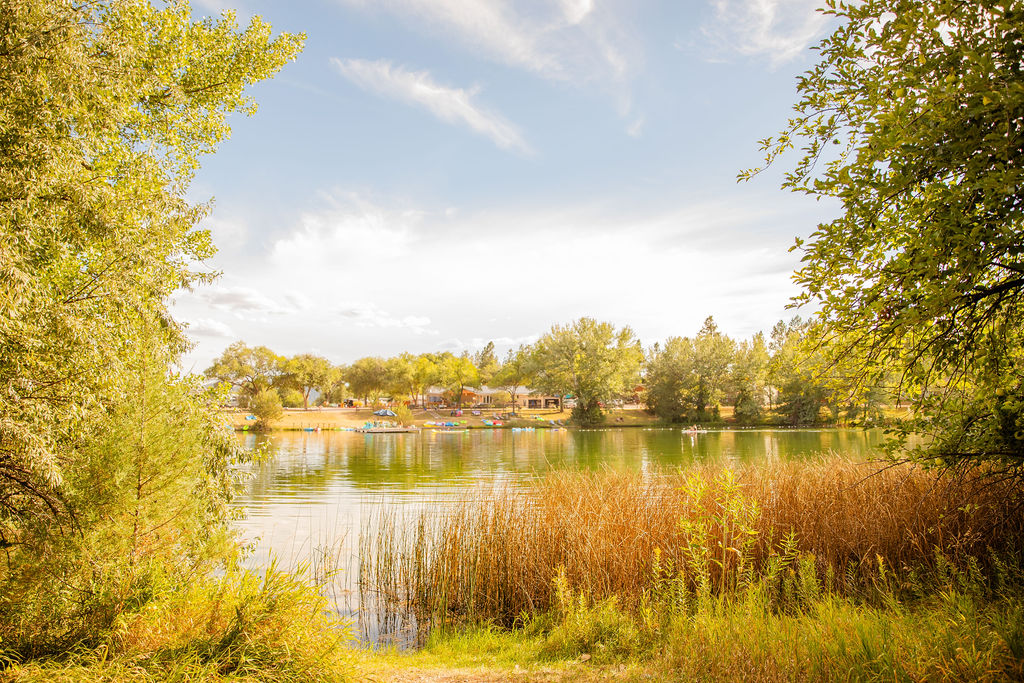
Tucked along the northern edge of Hot Springs, South Dakota, there is a small, spring-fed lake that has quietly witnessed more than 130 years of community life — from the crack of ice saws in midwinter to the laughter of summer carnival crowds, and today to families casting fishing lines and drifting in kayaks at sunset. This is the story of Larive Lake, now home to Hidden Lake Campground and Resort, and one of the most layered pieces of land in the Southern Black Hills.
1891
Dam Constructed
1,000
Tons of Ice Stored
130+
Years of History
2019
Reopened as Hidden Lake
The Ice Era: Hesnard’s Pond
The story begins in 1891, when a gentleman named Frank Hesnard from nearby Hermosa acquired the property and set about transforming a natural hollow into something the frontier town of Hot Springs desperately needed: a reliable source of ice. Hesnard commissioned a dam to create what locals simply called “Hesnard’s Pond,” and put it to work supplying his Hermosa Ice Company.
Every winter, when the lake froze solid, crews would cut the ice into large blocks and haul them to individual ice houses across town — including one at the State Soldiers Home. Packed tightly with sawdust, the ice could be kept usable well into July. At the height of operations, Frank’s mammoth ice house could hold a staggering 1,000 tons.

In April of 1893, a fire destroyed several buildings on the property — reportedly started by, as the papers put it, “drunken tramps” — causing around $500 in damages. The ice house itself survived.
The ice house foundation is still visible today, in the field across the lake from the campground — a quiet, moss-edged footnote to a vanished industry.
A New Name: The Larive Years
In the 1920s, Frank Hesnard sold the property to Clem Larive, and with the new owner came a new name. Larive was the city’s ice dealer and operated the Black Hills Ice Company — continuing the lake’s cold-weather legacy for another generation. But the ice trade was already living on borrowed time. As electricity spread across South Dakota and mechanical refrigerators became household fixtures, the demand for harvested lake ice vanished almost overnight.
Clem adapted. Sometime after the ice era wound down, the property transitioned from industrial supplier to leisure destination, and Larive Lake was born as a campground and resort, with rental cabins dotting the shoreline.
Water Carnivals and Miss South Dakota
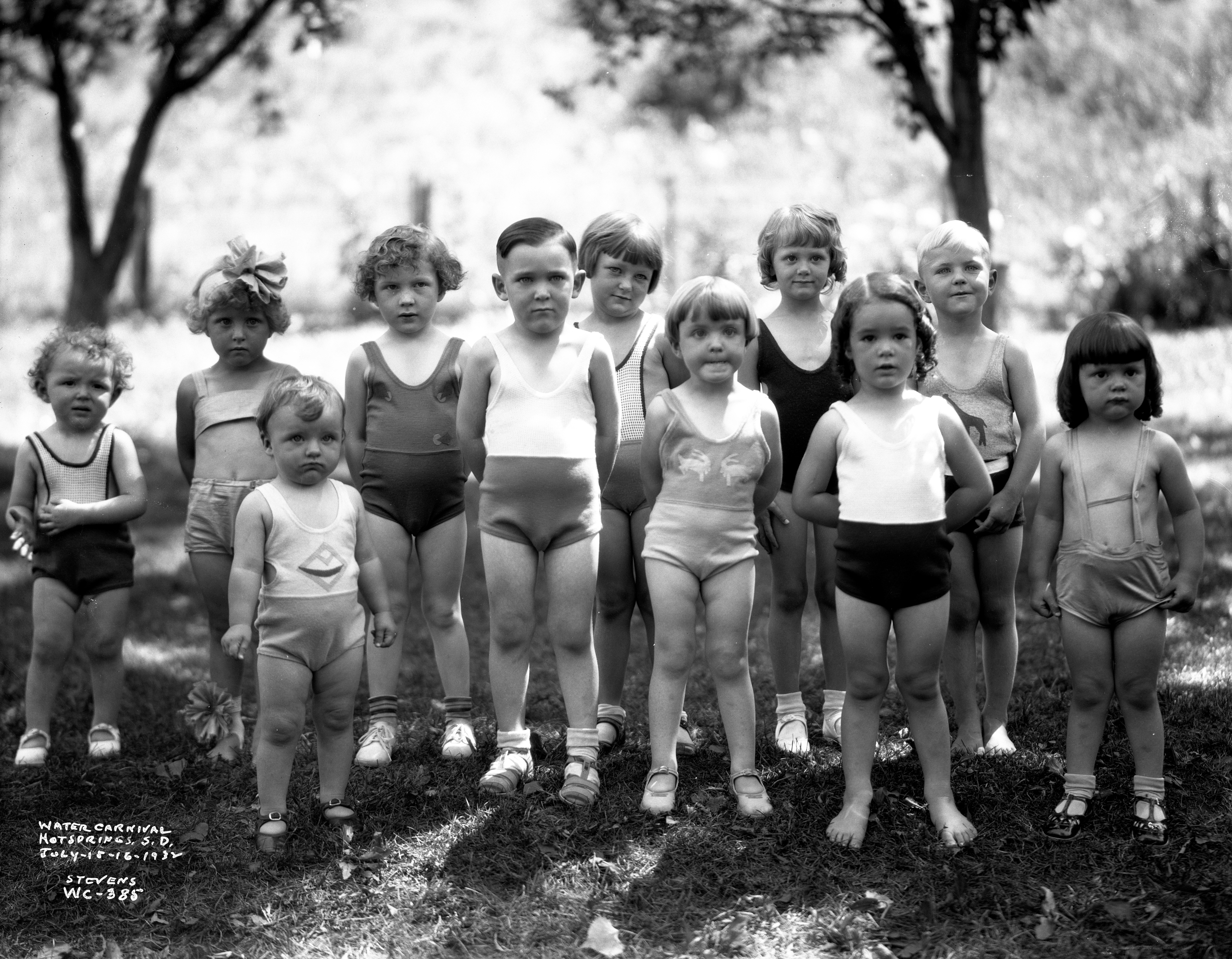
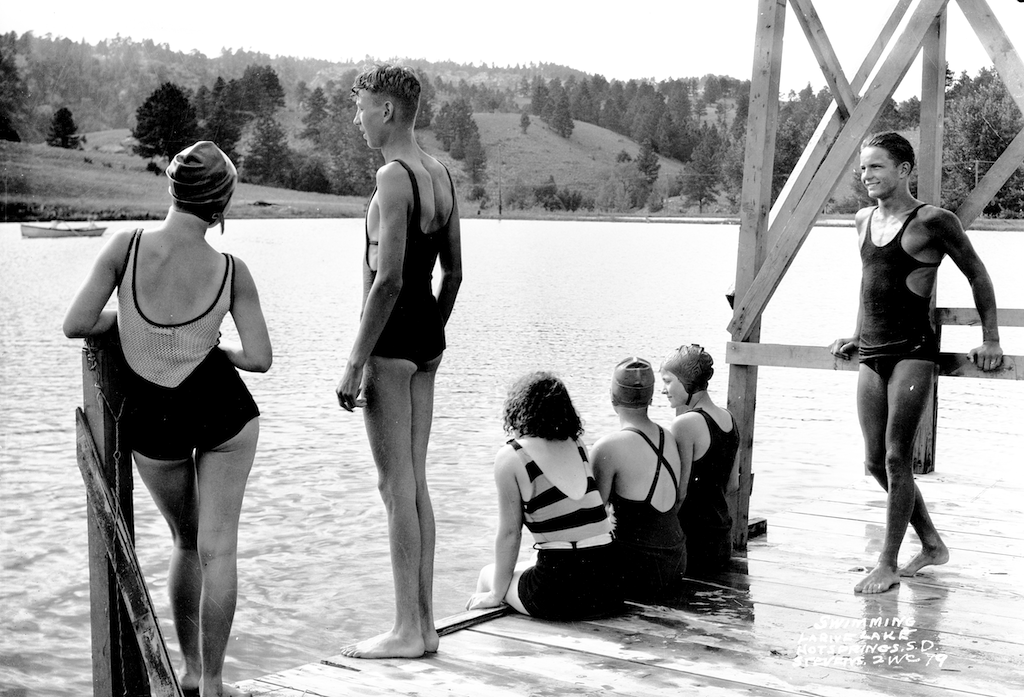
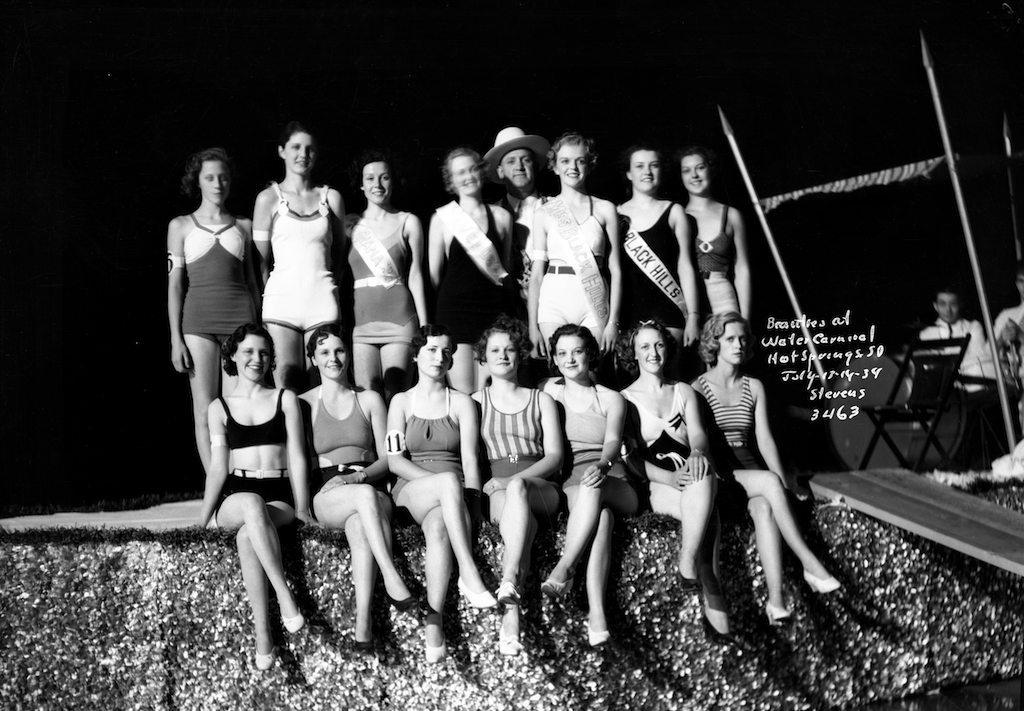
The 1930s brought perhaps the most glamorous chapter in the lake’s history. Crowds — sometimes numbering in the thousands — would travel to Larive Lake for the annual Water Carnivals: lively summer spectacles featuring swimming races, high-diving competitions, and beauty pageants that served as an early precursor to the Miss South Dakota Pageant.
These were genuinely inclusive events for their era, with contestants from a variety of cultural backgrounds taking part in the pageantry. The Water Carnival ran from 1927 through 1938, organized first by the Hot Springs Chamber of Commerce and later by the Business and Professional Women’s Club. The carnivals drew people from across the region and turned a quiet camping spot into a bona fide community institution.
Generations of Hot Springs residents remember learning to swim here — and more than a few recall paying twenty-five cents to swim all day.
The legacy of those lakeside pageants lives on: the Water Carnival Queen Contest directly inspired the formation of the Miss South Dakota Pageant, which held its first official competition in 1947 and has continued in Hot Springs ever since — one of the longest-running Miss America franchises in the nation.
A Long Twilight — and a Revival
Larive Lake remained a beloved local fixture well into the late 20th century, but by the early 2000s the campground had quietly closed. The cabins shifted to year-round rentals and, over time, slipped toward neglect and disuse. The water stayed, but the life had largely drained out of the place.
That changed in December 2018, when new owners purchased the property and began the work of bringing it back. In the summer of 2019, the campground reopened under the name Hidden Lake Campground and Resort — honoring both the past (the lake is still officially Larive Lake) and the fresh start. Cabins were restored, sites were added, and the private spring-fed lake was returned to what it has always done best: giving people a reason to slow down.

Hidden Lake Today
Today, the resort offers 18 full-hook-up RV sites and ten fully furnished cabins set among the pines of the Southern Black Hills. Guests swim, kayak, canoe, and fish the same waters where Frank Hesnard’s ice crews once worked, and where dive competitions once drew thousands of spectators. It’s a place to slow down, disconnect, and make memories naturally.

Hidden Lake is the only campground resort in the Southern Black Hills with a private lake — a distinction it has held, in one form or another, for well over a century. The ice house foundation still lingers across the water. The dam still holds. And Larive Lake, patient as ever, is still making memories.

Larive Lake has never needed much fanfare. It fed a town through sweltering summers, drew thousands to its shores for a few golden decades of carnival summers, and then waited — quietly, patiently — for someone to remember what it was worth. That someone has arrived, and the lake has been making up for lost time ever since. Whether you come for a weekend or linger through the week, you’re not just camping beside a pretty body of water. You’re stepping into 130 years of Black Hills history — and adding a chapter of your own.
Leave a Reply